
Back-To-School Safety Reminders
Back-to-School Safety Tips for Families
As summer comes to a close and the school year begins again, families shift into routines filled with early alarms, lunches on the go, and full schedules. While preparing supplies and organizing calendars, it is equally important to revisit safety habits that help keep children protected each day.
School safety goes beyond what happens in the classroom. From the morning commute to after-school activities and time spent at home, there are many points throughout the day where awareness plays a key role.
Spending a little time reviewing these practices can help children feel more secure and give parents added confidence as the year gets underway.
Safe Habits Before the School Day Starts
Getting to and from school safely is one of the most important parts of any student’s routine. Whether a child walks, bikes, rides the bus, or travels by car, understanding a few basic safety guidelines can make a big difference.
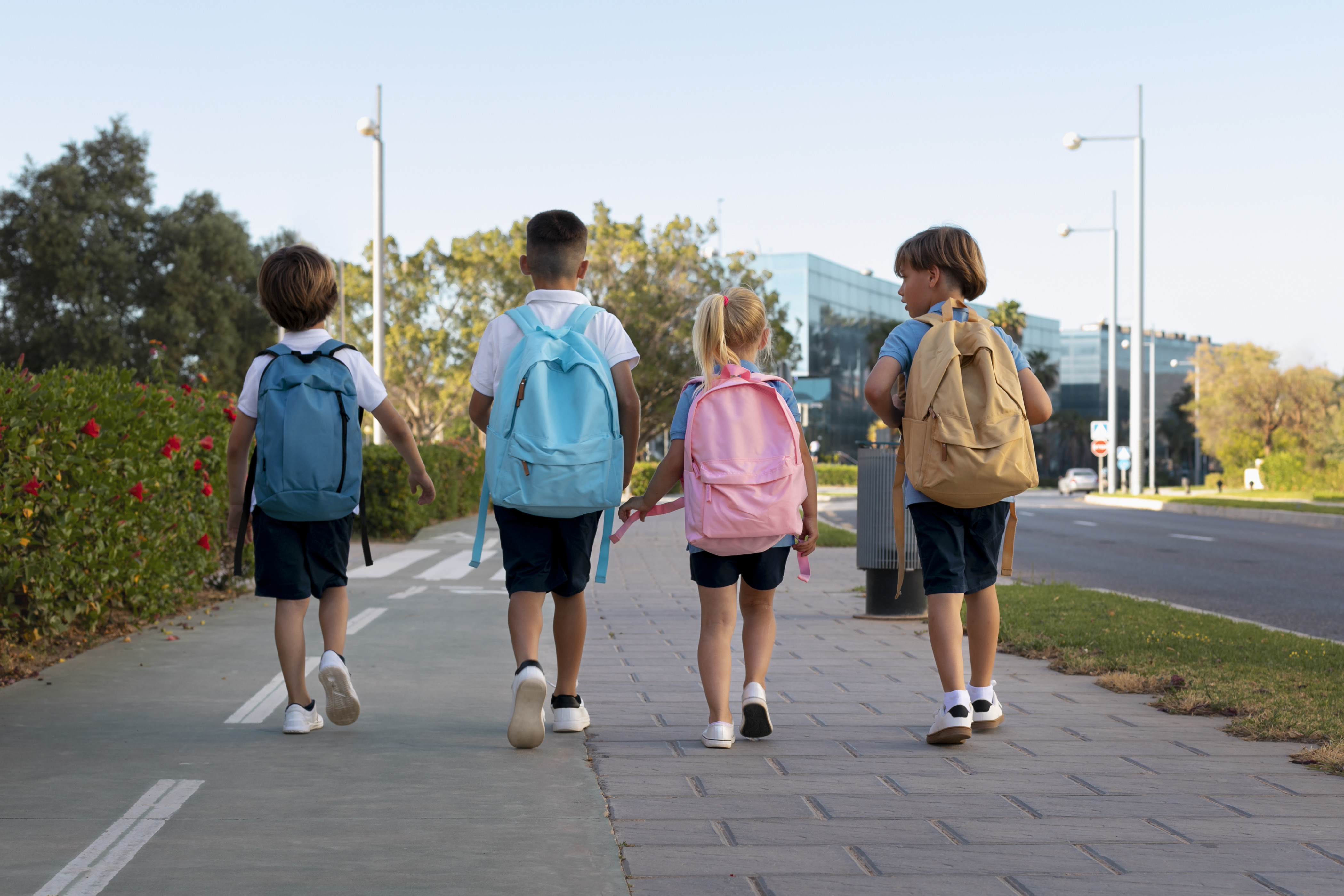
Children who walk to school should stick to sidewalks whenever they are available and only cross streets at marked intersections. Looking both ways before crossing is essential, and making eye contact with drivers can provide an extra level of awareness. Walking with friends or siblings instead of alone can also improve safety and help children stay alert.
For students who bike to school, wearing a properly fitted helmet is a must. Riders should stay on the right side of the road and move in the same direction as traffic. Coming to a full stop before crossing streets is another important habit. Choosing routes with fewer cars and intersections can make the trip more comfortable and reduce risk.
Bus safety is another important topic to review before school begins. Children waiting for the bus should stand several feet back from the curb and only approach once the bus has fully stopped. They should avoid walking directly in front of or behind the bus unless they have clearly seen the driver. These simple steps can help prevent accidents during busy pickup times.
Parents who drive their children to school also play an important role in maintaining safety. Following school drop-off procedures, reducing speed in school zones, and never passing a bus that is loading or unloading are habits that should be practiced every day.
Teen drivers heading back to school may benefit from reminders as well. Reinforcing expectations around wearing seatbelts, following speed limits, limiting distractions, and ensuring passenger safety can help encourage responsible driving behavior.
Building Safe and Healthy School-Day Routines
Once students arrive at school, everyday habits continue to play a role in their safety and well-being. Small, consistent actions can make a meaningful difference throughout the day.
One key area is emergency preparedness. Children should know important personal information, including their full name, home address, and a parent or guardian’s phone number. Some families also place a small card in a backpack with emergency contacts and medical details so that information is always accessible if needed.
Healthy habits are equally important in a school environment. With many students gathered in one place, illnesses can spread quickly. Teaching proper handwashing and encouraging children not to share food or drinks can help reduce the spread of germs in classrooms and common areas.
Backpack safety is another factor to keep in mind. Carrying too much weight can strain a child’s back and shoulders over time. Experts suggest that a backpack should not exceed 15% of a child’s body weight. Using both shoulder straps can also help distribute weight more evenly and prevent discomfort.
Conversations about bullying remain an important part of school safety. Parents should talk with their children about recognizing bullying behavior, how to report it, and who they can turn to for help. Knowing there is a trusted adult available can make it easier for children to speak up if they feel uncomfortable or unsafe.
Labeling personal items also deserves thoughtful consideration. Instead of displaying a child’s full name on the outside of belongings, families may choose to use initials or place labels inside items to help protect privacy.
Staying Safe After School
Safety does not end when the school day is over. The hours after school can be busy and sometimes unpredictable, especially when families are balancing work, activities, and transportation.
Establishing a check-in routine can be a helpful step. Children who arrive home before a parent can call or send a quick message to confirm they made it safely. Some families also choose to use location-sharing apps or tracking devices attached to backpacks for added reassurance.
If a child spends time at home alone, setting clear expectations in advance is important. Families should discuss rules about locking doors, handling phone calls, and whether it is okay to answer the door. Children should also understand what to do if someone unexpected shows up.
Internet safety should remain an ongoing conversation as well. Reminding children not to share personal details like their address, school, or daily schedule online can help protect their privacy. Encouraging open communication about online interactions makes it easier for children to speak up if something feels off.
Emergency planning is another valuable topic to revisit. Children should know where to go during severe weather, where to meet outside in case of a fire, and who to contact if a parent or guardian cannot be reached. Practicing these plans at home can help children respond more calmly if a real situation occurs.
The start of a new school year brings excitement, new opportunities, and changing routines. Taking time to review safety habits before, during, and after the school day can help families feel better prepared for what lies ahead.