
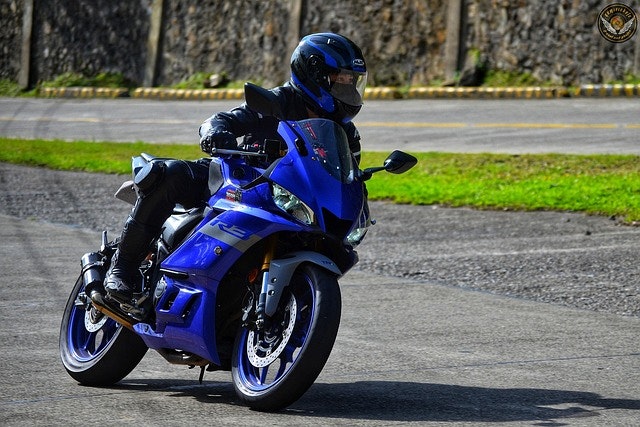
Motorcycle Safety Awareness Month - May - Shared Responsibility on the Road
May marks Motorcycle Safety Awareness Month, offering an important reminder that safe roads depend on shared responsibility. As temperatures rise, more motorcyclists take to the streets, increasing interactions between bikes and larger passenger vehicles. With this seasonal shift comes an increased need for awareness, caution, and mutual respect. While predictable, these changes also bring heightened risks that can lead to life-changing consequences.
Motorcycle collisions often result in serious injuries, substantial medical expenses, and complex legal outcomes. Victims may face personal injury claims, lawsuits, or even criminal allegations depending on the circumstances. By recognizing common hazards and adjusting their habits, both drivers and riders can reduce collision risks and avoid unnecessary legal entanglements.
The Elevated Risks Motorcyclists Face
Motorcyclists experience far greater exposure on the road compared to people in enclosed vehicles. Without the frame of a car to absorb impact, even relatively minor crashes can cause severe harm. These vulnerabilities contribute to high injury and fatality rates among riders.
Data from the National Highway Traffic Safety Administration shows that those on motorcycles face a significantly higher chance of serious injury or death than occupants in passenger vehicles. Contributing factors often include limited visibility, misjudged speeds or distances, impaired driving, and drivers failing to yield the right of way.
Legally, motorcycle cases tend to involve disputes over fault. Attorneys and insurers may assess each party's behavior, road conditions, traffic patterns, and roadside evidence. When major injuries or long-term health impacts occur, the complexity of these cases frequently increases.
Key Safety Practices for Drivers
Drivers play a critical role in reducing motorcycle crashes. Many collisions happen simply because a driver did not see a motorcycle or miscalculated how fast it was traveling. Smaller vehicles are often easily overlooked, particularly in heavy traffic or during quick decision-making moments.
The Insurance Institute for Highway Safety has identified left-turn crashes as one of the most frequent ways drivers collide with motorcycles. These incidents commonly occur when a driver turns left in front of an oncoming bike at an intersection. Even when a driver looks in the motorcycle’s direction, they may not fully register its presence due to its smaller profile.
There are practical ways drivers can reduce these risks:
- Routinely check blind spots before merging or changing lanes.
- Leave extra following distance behind motorcycles, since they can stop more quickly than cars.
- Exercise additional caution at intersections, especially when turning left across traffic.
- Eliminate distractions and remain attentive during busier riding months.
Driver behavior can also significantly influence legal outcomes after a crash. Inattention, impairment, and speeding may lead to civil liability or even criminal charges. Thoughtful, alert driving helps prevent accidents and protects everyone involved.
Safety Considerations for Motorcyclists
Riders face unpredictable road conditions and driver actions, making preparation and defensive strategies essential. Proper gear, training, and awareness can reduce both accident risks and injury severity.
The Centers for Disease Control and Prevention notes that wearing a helmet dramatically decreases the chance of head injuries and fatalities. Although gear cannot eliminate the possibility of a crash, it can heavily influence the medical and legal outcomes of an accident.
Riders can further protect themselves by:
- Completing certified training courses and keeping licenses current to strengthen skills and situational awareness.
- Wearing protective clothing and a DOT-approved helmet to reduce serious injury risks.
- Improving visibility with reflective gear and properly maintained lights.
- Practicing defensive riding to anticipate driver errors and respond quickly.
Because visibility remains a major challenge, riders can take additional steps such as tapping their brake lights multiple times before slowing down. This simple habit helps drivers better detect deceleration and reduces the likelihood of rear-end collisions.
Speeding, riding while impaired, and limited training can heighten legal consequences if an accident occurs. In cases with severe injuries, rider behavior is often carefully reviewed during insurance negotiations or litigation.
Legal Implications Surrounding Motorcycle Crashes
When a motorcycle crash results in major injuries, the legal aftermath can be extensive. Lawsuits, insurance disputes, and potential criminal investigations are common following serious incidents.
The American Bar Association recognizes that motorcycle accident claims often require detailed liability analyses. Evidence such as accident reconstruction reports, witness statements, and video footage may be necessary to establish what happened and who is at fault.
Legal professionals may examine factors including reckless driving, distraction, intoxication, and adherence to traffic laws. Intersections, in particular, are frequently a point of focus due to common right-of-way conflicts.
Because of the severity typically associated with motorcycle injuries, insurance companies may conduct thorough investigations, and prosecutors may pursue charges if impairment or hazardous driving behavior is suspected.
Although safety measures cannot entirely prevent accidents, they can reduce the likelihood of lengthy litigation or severe injury.
Promoting Safer Roads Through Shared Responsibility
Motorcycle Safety Awareness Month encourages both drivers and riders to recognize how their actions contribute to road safety. When everyone remains attentive and follows traffic laws, accidents become less common and less catastrophic.
Drivers should stay alert, patient, and aware of motorcycles, while riders must remain visible, maintain proper licensing, and prioritize defensive techniques. Mutual respect and responsible choices benefit all road users.
Safer behaviors help protect lives and reduce the potential for lawsuits, insurance challenges, and long-term financial strain. Preventing crashes is far better than navigating the difficult aftermath of one.
If you or someone close to you has been injured in a motorcycle accident, understanding your rights is crucial. Experienced legal support can make a significant difference when dealing with injury claims, liability disputes, or potential criminal issues. Reach out today to explore your options and safeguard your rights.