
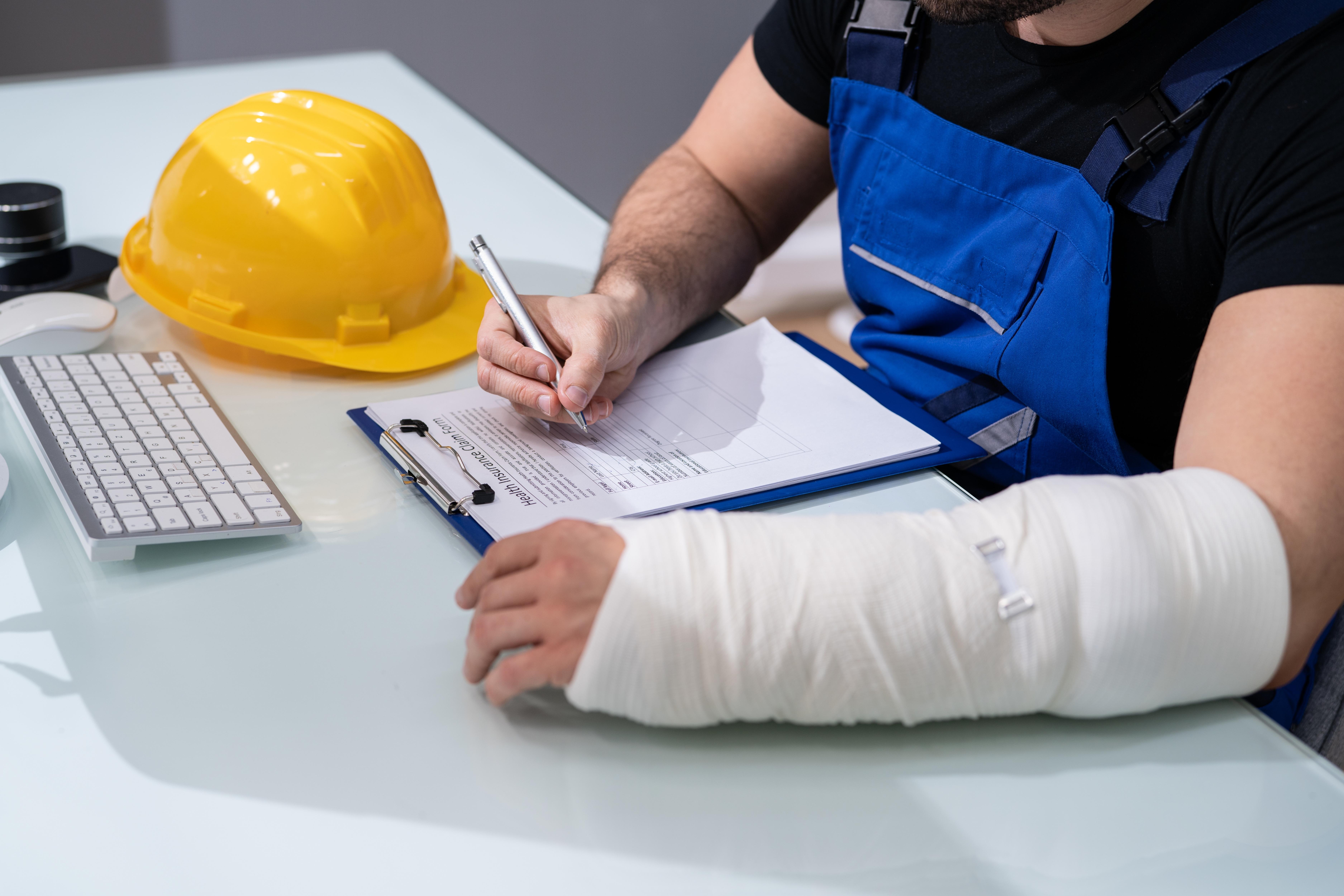
What To Do After a Personal Injury
An accident can occur without warning. Whether it involves a car collision, a slip and fall, or another serious event, the aftermath can feel overwhelming. You may be coping with physical pain, scheduling medical visits, missing time from work, and handling calls from insurance companies while trying to heal.
The decisions you make during this period can influence both your recovery and any personal injury claim you may pursue. Understanding the right steps to take can help safeguard your well-being and reduce the risk of costly mistakes.
Below are key actions to consider if you are ever injured in an accident.
Get Medical Care Right Away
Your health should always be your top priority. Even if your injuries seem minor at first, it is important to seek medical attention as soon as possible.
Some conditions are not immediately obvious. Symptoms like soreness, stiffness, or internal injuries may take hours or even days to appear. Early evaluation can help detect issues before they worsen.
Medical documentation also plays an important role. Records from your treatment create a timeline of your injuries and recovery, which may be essential if questions arise later about the severity or cause of your condition.
Report What Happened
After an accident, make sure the incident is properly reported to the appropriate party. This step helps establish an official record of what occurred.
Depending on the situation, this could involve contacting law enforcement, notifying a property owner, completing an incident report, or informing your employer. Each scenario may require a different type of report.
Documenting the event early helps ensure that important details—such as the time, location, and circumstances—are recorded accurately and can be referenced later if needed.
Take Photos and Gather Information
If you are able, collect evidence from the scene as soon as possible. Conditions can change quickly, and valuable details may disappear.
Capture images or video of key elements, including:
- Any visible injuries
- Damage to vehicles or personal property
- Hazards that may have contributed to the incident
- Weather and lighting conditions at the time
- Posted warnings or lack of signage
- The overall scene and surrounding area
If there were witnesses, try to obtain their names and contact details. Gathering this information early can make it easier to piece together what happened and support your account later on.
Keep Important Records
An injury can impact multiple areas of your life, including your finances. Keeping organized records can help you track expenses and document how the incident has affected you.
Be sure to save copies of:
- Invoices and bills related to medical care
- Receipts for medications
- Physical therapy or rehabilitation documents
- Estimates or invoices for repairs
- Proof of lost income, such as pay stubs
- Transportation costs for medical visits
It can also be helpful to keep a personal journal during your recovery. Writing down your daily symptoms, limitations, sleep patterns, and challenges can provide a clearer picture of how the injury affects your day-to-day life.
Be Careful When Talking to Insurance Companies
Insurance representatives often reach out soon after an accident. While they may appear supportive, it is important to proceed carefully.
Providing recorded statements, accepting quick settlement offers, or signing documents too soon could affect your claim. Early offers may not fully account for future medical needs, lost wages, or ongoing recovery.
Before agreeing to anything, take time to understand your rights and the potential long-term impact of your decisions.
Follow Your Doctor's Recommendations
Once you begin treatment, it is important to stick with your doctor’s plan and attend all scheduled appointments. Consistency in care supports both your recovery and your documentation.
Missing visits or stopping treatment prematurely can make it more difficult to demonstrate the extent of your injuries. It may also raise concerns about the seriousness of your condition.
If you have questions or concerns about your treatment, discuss them with your healthcare provider rather than discontinuing care on your own.
Be Careful on Social Media
Many people do not realize how social media activity can affect a personal injury case. Posts may be reviewed and interpreted in ways you did not intend.
Photos, videos, comments, and even location tags can be taken out of context. In some cases, they may be used to challenge the severity of your injuries.
While your claim is ongoing, it is generally wise to avoid sharing details about the accident, your condition, or your recovery online.
Do Not Wait Too Long
Personal injury claims are subject to legal time limits, which can vary depending on the situation. Acting promptly is important to protect your rights.
Delays can make it harder to collect evidence, locate witnesses, and build a strong case. The sooner you take action, the more information you are likely to preserve.
The steps you take after an injury can have a lasting impact. While every situation is different, staying organized, seeking timely care, and making informed decisions can help you avoid common pitfalls. If you need guidance after an accident or have questions about your situation, Ferris Law Firm in Denver is here to help you understand your options and move forward with confidence.